
Blog

Warming Up for Summer Weather

June 2nd, 2026

The barbecue’s fired up. T-shirts and shorts are back in style. Sandy beaches and sidewalks are sizzling. Summer’s officially here, and it’s time to get back into hot weather mode. This means getting back into some healthy summer habits.

Be Ready to Hydrate!

Warm weather can lead to dehydration before you know it. And water does more than hydrate—it rinses away food particles after eating or snacking, neutralizes enamel-eroding acids in the mouth, and helps us keep up healthy levels of saliva. 

  • A reusable water bottle is a summer shopping list must. When you’re out walking, hiking, exercising, or camping, you can’t always be sure you’ll have fresh water available. Fill your water bottle before you leave home—you’ll help yourself stay hydrated, save money, and protect the environment, too!
  • Go light on the sports drinks and sodas when planning your summer menus. They’re often filled with sugars and acids—two very unhealthy ingredients for your teeth. 

Restock Your Sunscreen

Sunscreen helps protect skin of all shades and all ages. Exposure to ultraviolet rays is known to cause skin cancer and premature aging. Lip tissue is thin and delicate, especially at risk from the sun’s damaging UV rays. 

  • Check your sunscreen for its expiration date. Protective sunscreens and lip balms lose effectiveness once that date has passed.
  • Some sunscreens are designed for use on lips. If yours isn’t, look for a protective lip balm. All of your sunscreens and balms should have an SPF (Sun Protection Factor) of 30 or higher.
  • Bring your sunscreen and balm with you when you’re out and about, and reapply every two hours, or sooner if you’re eating, drinking, or getting wet.

Prep for Summer Adventures

If you’re travelling this summer, make sure the right dental supplies are part of your gear. A travel size toothbrush and toothpaste, a well-ventilated toothbrush case, dental floss, and your dentist’s emergency contact information are basic necessities. Once you have the basics, you can tailor your kit to your summer plans:

  • Flying? Make sure every liquid, gel, or aerosol you’ll need is the proper size for carry-on flight rules, 3.4 oz (100 ml) or less. Toothpaste and mouthwash are included in these categories, so look for travel sizes in your favorites. 
  • Going overseas? Don’t forget plug adaptors or voltage converters if needed for your electric toothbrush.
  • Camping? An emergency kit with cotton rolls, over-the counter pain relief, oral pain relief gel, dental wax (for damaged braces or a broken tooth), and even temporary fillings and a tooth preservation kit can be crucial in case of unexpected dental injuries.

Make Sure Dental Care Is on Your Summer Calendar

Laid-back summer days are the best, but laid-back dental care really isn’t! Follow your healthy dental routine even during the lazy days of summer.

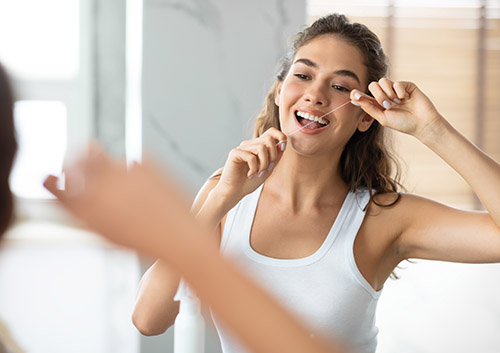
  • Keep up with your brushing and flossing—brush two minutes twice each day with a fluoride toothpaste, and floss at least once a day.
  • If you’re planning a trip, don’t ignore warning signs. If you have tooth pain or sensitivity, see your dentist to treat any problems before you’re cruising at 30,000 feet or enjoying a remote campout miles from anywhere.
  • Make sure you keep up with your scheduled exams and cleanings. That’s the best way to ensure year-round dental health!

Whether you’re basking in the warm outdoor weather, relaxing in the shade with a cool drink and a good book, on the road to adventure, or wherever your summer plans take you, we hope these easy tips will help you create a summer filled with bright, healthy smiles.

Why Are My Child’s Baby Teeth So White?

May 27th, 2026

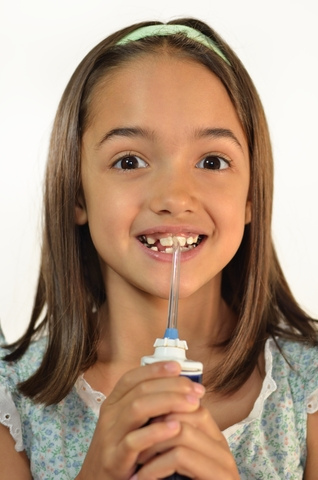
One of the most charming aspects of your baby’s beautiful smile is his brilliantly white teeth. But now that his adult teeth are coming in, the difference in color is very noticeable. Is this something to be concerned about? Happily, probably not.

Both baby teeth and adult teeth have the same basic structure. The inside of the tooth, the pulp, contains blood vessels and nerves. The pulp is covered by a layer of dentin, a hard, yellowish substance composed of living tissue that helps protect the pulp and transmits signals for pain, pressure, and temperature. Enamel is the outer protective covering of the tooth, and its natural color can vary from greyish-white to light yellow.

If primary and permanent teeth are so alike, how can they look so different? As with so many things, the difference lies in the details. In adult teeth, enamel is semi-translucent, so it will allow the color of what is beneath it to show through. And the color of the thick dentin beneath is naturally yellow. Baby teeth have a thinner layer of the yellowish dentin. And while their enamel is also thinner, the enamel in baby teeth is generally whiter and more opaque, so less of the underlying yellow from the dentin is visible.

The result of these small differences is that adult teeth are normally darker than baby teeth to begin with. And when a permanent tooth that is just a bit darker erupts next to a bright white baby tooth, it is going to look even more yellow than it actually is. Once all of the baby teeth in front have been replaced with adult teeth, you will have a much better idea of their real color without unflattering comparisons!

There are times when concerns about tooth color should be looked at by Dr. Cosman, Dr. McDonough, Dr. Levac and Dr. Korcok more closely.

  • Unusual discoloration in teeth should be examined. Some discoloration is caused by medical conditions such as hypomineralization, some by environmental factors such as excess fluoride, some by trauma, some by medication. If you notice a discolored section of your child’s tooth, or the tooth has turned a different shade from the teeth around it, give us a call.
  • Your child might have naturally whiter or yellower teeth simply as a matter of genetics. If your child is self-conscious about the color of his teeth, we can talk about whitening solutions when he is old enough to use them safely. Home whitening products should never be used on young children.

Give yourself time to adjust to your child’s new, adult smile. You will probably notice no difference at all once all of his permanent teeth come in. And keep those new teeth their brightest with consistent brushing and flossing, and regular checkups and cleanings at our Kingston, ON office. This is the simplest prescription for a charming, white, and healthy smile at any age.

Adult Mouthguards

May 26th, 2026

You make sure your daughter wears her mouthguard to every soccer practice. Your son doesn’t step on the basketball court without his. Why not protect your smile as well?

Athletes of all ages in team or recreational sports can help prevent dental injuries with a protective mouthguard. If you bike or ski, play racquetball or squash, skate, or sky dive, a mouthguard will help keep your teeth and gums healthy as you keep fit.

Mouthguard Options

Our office will be happy to talk to you about whether a mouthguard is a practical addition to your workout gear. There are many options available to you, including:

Stock: Preformed appliances available at sporting goods stores and drugstores. These are the most affordable, but are a one-size-fits-all option and may not be a comfortable fit for you.

Boil-and-Bite: Also available at sports shops and drugstores. This guard is formed by placing it in hot water and then biting down to allow it to conform to the shape of your mouth.

Custom: Our Kingston, ON office can create a personalized mouthguard just for you. Individual mouthguards are the most durable and comfortable option, in general, and provide the best fit for ease of talking and breathing while exercising. You may also have special dental conditions, such as the placement of crowns or braces, which could be a factor in your decision.

Whichever option you choose, remember to wear your mouthguard regularly while exercising. A proper mouthguard cannot only help prevent injuries to your teeth, but to your face and jaw as well. A healthy smile and a healthy body are a winning combination. The next time you visit Dr. Cosman, Dr. McDonough, Dr. Levac and Dr. Korcok, let’s talk sports!

The Purpose of a Dental Crown

May 20th, 2026

A dental crown, otherwise known as a cap, covers an infected tooth and can vary in function, depending on the position of the tooth. Crowns cover all the visible parts of a tooth and vary in size, appearance, and functionality.

A crown can be used to protect a weak tooth from breaking, hold together an already broken or worn tooth, cover the tooth with a large filling or dental implant, hold a dental bridge in place, or support a cosmetic modification.

Several types of crowns are available, depending on the tooth to be treated. Stainless-steel crowns are used on permanent teeth, usually as temporary measures in children because they’re more cost-effective for baby teeth that naturally come out over time.

Metal crowns are another option that includes gold alloys, or base-metal alloys. Metal crowns are notable for their ability to withstand biting forces, rarely break or chip, and therefore offer the best results in terms of normal wear and tear.

Porcelain fused to metal crowns most closely resemble a normal tooth and are a good choice for front or back teeth. Other, less common types include all-resin, all-ceramic, all-porcelain, and zirconia crowns.

If you’re getting a crown, you can expect a few things during your visit with Dr. Cosman, Dr. McDonough, Dr. Levac and Dr. Korcok. Crown placement usually requires two appointments. The first entails preparation to get an impression of the tooth, shape it, and place a temporary crown. The impression is sent to a lab where a technician makes the crown to be fitted.

During the second appointment, the high-quality porcelain crown is placed on the problematic tooth.  

If you notice any signs of discomfort in your mouth, always let Dr. Cosman, Dr. McDonough, Dr. Levac and Dr. Korcok know by calling our Kingston, ON office. We will determine which type of crown is best for your tooth to give it the added strength it needs. Crowns can be very helpful for your oral health if you have any teeth that need extra support.